Want to grow your business fast? Mastering leads online is the ultimate game-changer. In today’s digital world, generating high-quality leads isn’t just helpful—it’s essential. Let’s dive into the smart, proven ways to attract, convert, and scale your online leads effortlessly.


What Are Leads Online and Why They Matter

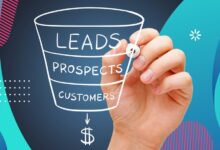
Understanding what leads online truly means is the foundation of any successful digital marketing strategy. A ‘lead’ refers to a potential customer who has shown interest in your product or service. In the online world, this interest is usually expressed through actions like filling out a form, subscribing to a newsletter, downloading a guide, or clicking on a call-to-action button.
Defining Leads in the Digital Context
Leads online are individuals who have engaged with your brand through digital channels such as websites, social media, email campaigns, or paid ads. Unlike traditional leads gathered at trade shows or over the phone, online leads are tracked, segmented, and nurtured using data-driven tools.
- They originate from digital touchpoints like landing pages or chatbots.
- They are often categorized by behavior, such as page visits or time spent on site.
- They can be scored based on engagement level using CRM tools.
Types of Online Leads
Not all leads are created equal. Understanding the different types helps you tailor your follow-up strategy.
Information Qualified Leads (IQLs): These users have shown interest by downloading content or signing up for webinars.Marketing Qualified Leads (MQLs): They’ve engaged with multiple marketing campaigns and show higher intent.Sales Qualified Leads (SQLs): These leads are ready to buy and have been vetted by your sales team..
Product Qualified Leads (PQLs): Common in SaaS businesses, these users have interacted with your product (e.g., free trial) and demonstrated usage patterns indicating purchase intent.”The quality of your leads determines the health of your sales pipeline.” — HubSpot
Why Generating Leads Online Is a Game-Changer
Generating leads online offers scalability, precision, and cost-efficiency that traditional methods can’t match.Whether you’re a startup or an enterprise, online lead generation fuels growth..
Cost-Effectiveness and ROI
Compared to cold calling or print advertising, digital lead generation is significantly more affordable. Tools like Google Ads, Facebook Lead Forms, and SEO allow you to reach targeted audiences at a fraction of traditional costs.
- Pay-per-click (PPC) campaigns let you control your budget.
- Email marketing delivers an average ROI of $42 for every $1 spent (source: Campaign Monitor).
- Organic SEO strategies, while slower, offer long-term, sustainable results.
Scalability and Global Reach
Unlike physical storefronts or local ads, leads online can come from anywhere in the world. With the right strategy, a small business can attract customers from Europe, Asia, or South America without opening a single office.
- Social media platforms like LinkedIn and Instagram enable hyper-targeted outreach.
- Webinars and online courses can attract thousands of registrants globally.
- Automated chatbots can handle inquiries 24/7 across time zones.
Top 7 Strategies to Generate Leads Online
Now that we understand the importance of leads online, let’s explore the most effective strategies to generate them consistently.
1. Optimize Your Website for Lead Capture
Your website is your digital storefront. If it’s not optimized for lead generation, you’re missing out on massive opportunities.
- Use clear, compelling calls-to-action (CTAs) above the fold.
- Implement pop-ups or slide-ins with valuable lead magnets (e.g., free checklist, ebook).
- Ensure mobile responsiveness—over 60% of web traffic comes from mobile devices (source: Statista).
2. Create High-Value Lead Magnets
A lead magnet is an incentive offered in exchange for contact information. The better the value, the higher the conversion rate.
- Ebooks and whitepapers for in-depth knowledge.
- Free tools or calculators (e.g., ROI calculator).
- Templates, checklists, or swipe files.
- Discounts or free trials for e-commerce brands.
“People don’t give up their email for nothing. You must offer something they can’t resist.” — Neil Patel
3. Leverage Content Marketing and SEO
Content is still king when it comes to attracting organic leads online. By creating valuable, search-optimized content, you position your brand as an authority.
- Write blog posts targeting long-tail keywords (e.g., “best CRM for small business leads online”).
- Use internal linking to guide visitors deeper into your site.
- Optimize meta titles, descriptions, and headers for search engines.
- Publish guest posts on high-authority sites to build backlinks.
4. Run Targeted Paid Advertising Campaigns
Paid ads can deliver instant visibility and leads online, especially when combined with precise audience targeting.
- Google Ads: Target users searching for solutions you offer.
- Facebook & Instagram Ads: Use detailed demographics and interests.
- LinkedIn Ads: Ideal for B2B lead generation.
- Retargeting Ads: Re-engage visitors who didn’t convert.
5. Build an Email List with Smart Opt-Ins
Email remains one of the most effective channels for nurturing leads online. The key is building a permission-based list.
- Use double opt-in forms to ensure quality.
- Offer tiered lead magnets (e.g., free guide + weekly tips).
- Segment your list based on behavior or interests.
- Send automated email sequences to guide leads through the funnel.
6. Utilize Social Media Strategically
Social platforms aren’t just for brand awareness—they’re powerful lead generation tools when used correctly.
- Host live Q&A sessions to engage potential leads.
- Use Instagram or Facebook lead ads with instant forms.
- Share user-generated content to build trust.
- Join LinkedIn groups and participate in discussions.
7. Implement Live Chat and Chatbots
Real-time engagement can dramatically increase conversion rates. Live chat and AI-powered chatbots answer questions instantly, guiding visitors toward becoming leads online.
- Use chatbots to qualify leads before handing them to sales.
- Offer instant support during business hours.
- Collect contact info through conversational forms.
- Integrate with CRM systems like HubSpot or Salesforce.
Tools and Platforms to Capture Leads Online
Having the right tools makes lead generation faster, more efficient, and measurable.
CRM Systems for Lead Management
Customer Relationship Management (CRM) platforms help you organize, track, and nurture leads online.
- HubSpot CRM: Free, user-friendly, and packed with automation features.
- Salesforce: Powerful for large teams with complex sales cycles.
- Zoho CRM: Affordable and scalable for small to mid-sized businesses.
Landing Page Builders
Landing pages are critical for converting traffic into leads online. These tools make creation easy, even without coding.
- Unbounce: Drag-and-drop builder with A/B testing.
- Leadpages: Templates optimized for high conversion.
- Carrd: Simple, one-page sites for quick lead capture.
Email Marketing Platforms
To nurture leads online, you need reliable email tools.
- Mailchimp: Great for beginners with automation workflows.
- Klaviyo: Ideal for e-commerce brands.
- ConvertKit: Perfect for creators and bloggers.
How to Qualify and Nurture Leads Online
Not every lead is ready to buy. Qualifying and nurturing them increases conversion rates and reduces wasted effort.
Lead Scoring: Identifying High-Value Prospects
Lead scoring assigns points based on behavior and demographics to prioritize follow-up.
- Visiting pricing page: +10 points
- Downloading a product brochure: +15 points
- Job title matches ideal customer profile: +20 points
- Engaging with 3+ emails: +25 points
Nurturing Leads with Drip Campaigns
Drip campaigns send automated, personalized emails over time to build trust and guide leads toward a purchase.
- Day 1: Welcome email + lead magnet delivery.
- Day 3: Case study or customer success story.
- Day 7: Product demo invitation or consultation offer.
- Day 14: Special discount or limited-time offer.
“It takes an average of 8 touches to convert a lead into a customer.” — MarketingDonut
Measuring the Success of Your Leads Online Strategy
Without tracking, you’re flying blind. Use key performance indicators (KPIs) to measure and optimize your lead generation efforts.
Key Metrics to Track
Monitor these metrics to understand what’s working and where to improve.
- Conversion Rate: Percentage of visitors who become leads.
- Cost Per Lead (CPL): Total spend divided by number of leads generated.
- Lead-to-Customer Rate: How many leads turn into paying customers.
- Website Traffic Sources: Identify which channels bring the most leads online.
- Email Open and Click Rates: Measure engagement in nurturing campaigns.
Using Analytics Tools
Leverage tools to gain insights and make data-driven decisions.
- Google Analytics: Track user behavior, traffic sources, and conversion paths.
- Hotjar: See heatmaps and session recordings to understand user experience.
- UTM Parameters: Tag URLs to track campaign performance across platforms.
Common Mistakes to Avoid When Generating Leads Online
Even smart marketers make errors that hurt lead quality and conversion rates. Avoid these pitfalls.
Ignoring Lead Quality for Quantity
Chasing high volume without qualifying leads wastes time and resources. Focus on attracting the right audience, not just any audience.
- Use targeted messaging to attract ideal customers.
- Implement form fields that filter out unqualified leads (e.g., company size, budget).
- Use negative keywords in ads to avoid irrelevant clicks.
Poor Follow-Up and Nurturing
Over 80% of leads are lost due to lack of follow-up. A single email isn’t enough.
- Set up automated sequences to stay top-of-mind.
- Personalize messages based on user behavior.
- Use multiple channels: email, SMS, social media.
Not Optimizing for Mobile
If your forms, landing pages, or emails aren’t mobile-friendly, you’re losing leads online. Over half of global web traffic is mobile-based.
- Test all forms on smartphones and tablets.
- Use responsive design for emails and landing pages.
- Keep forms short—long forms kill mobile conversions.
Future Trends in Leads Online Generation
The digital landscape is evolving fast. Staying ahead means embracing new technologies and strategies.
AI-Powered Lead Generation
Artificial intelligence is transforming how we find and engage leads online.
- AI chatbots qualify leads 24/7.
- Predictive analytics identify high-intent users.
- AI tools like Outreach and Salesloft automate outreach at scale.
Hyper-Personalization
Generic messages are dead. The future is hyper-personalized content based on user data.
- Dynamic website content that changes based on visitor profile.
- Emails with personalized subject lines and product recommendations.
- Ads that reflect past browsing behavior.
Voice Search and Smart Assistants
With the rise of Alexa and Google Assistant, optimizing for voice search will become crucial for capturing leads online.
- Use conversational keywords (e.g., “Where can I buy…?”).
- Optimize for local SEO and featured snippets.
- Create FAQ pages that answer natural language queries.
What are leads online?
Leads online are potential customers who have shown interest in your product or service through digital channels such as websites, social media, email, or online ads. They typically provide contact information in exchange for value, like a free guide or consultation.
How can I generate more leads online?
You can generate more leads online by optimizing your website, creating valuable lead magnets, using SEO and content marketing, running targeted ads, leveraging email marketing, and using tools like chatbots and landing page builders to capture and nurture interest.
What’s the difference between a lead and a customer?
A lead is someone who has shown interest but hasn’t yet purchased. A customer is a lead who has completed a purchase. The journey from lead to customer involves nurturing, trust-building, and conversion strategies.
Which platforms are best for generating leads online?
The best platforms depend on your audience. For B2B, LinkedIn and Google Ads work well. For B2C, Facebook, Instagram, and SEO-driven content are effective. Email marketing and landing pages are universal tools for all niches.
How do I measure the success of my online lead generation?
Track metrics like conversion rate, cost per lead, lead-to-customer rate, email engagement, and traffic sources. Use tools like Google Analytics, CRM systems, and UTM tracking to monitor performance and optimize campaigns.
Generating leads online is no longer optional—it’s essential for business growth. From optimizing your website to leveraging AI and personalization, the strategies outlined here provide a complete roadmap to attract, convert, and nurture high-quality leads. The key is consistency, testing, and using the right tools. Start implementing these tactics today, and watch your pipeline fill with qualified, ready-to-buy prospects. The future of sales is digital, and the time to master leads online is now.
Further Reading:
