Ever wondered what ‘leads meaning’ really is? It’s more than just potential customers—it’s the lifeblood of sales and marketing. Let’s break it down in simple, powerful terms.

Leads Meaning: The Core Definition and Why It Matters

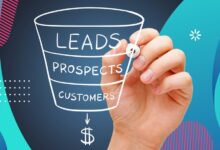
At its heart, the leads meaning refers to individuals or organizations that have shown interest in your product or service. This interest can come from various actions—filling out a form, subscribing to a newsletter, downloading a whitepaper, or engaging with your content. Understanding this concept is crucial because leads are the starting point of every sales funnel.
What Exactly Is a Lead?
A lead is not yet a customer, but someone who has entered the awareness stage of the buyer’s journey. They may not be ready to buy immediately, but they’ve signaled interest. According to Investopedia, a lead is “a potential sales contact whose interest in a product or service has been noted by a business.”
- A lead could be someone who clicked on your ad.
- They might have attended a webinar you hosted.
- Or simply followed your brand on social media.
The key is that there’s been an interaction—no matter how small—that opens the door for further engagement.
Why Leads Are the Foundation of Sales
Without leads, there are no conversions, no revenue, and ultimately, no business growth. Think of leads as seeds. You can have the best product in the world, but if no one knows about it, you won’t grow. Generating and nurturing leads is how companies plant those seeds and cultivate long-term relationships.
“A business thrives not on what it sells, but on the leads it captures and converts.” — Sales Strategy Expert
Effective lead generation fuels pipelines, supports forecasting, and enables targeted marketing. In fact, companies with strong lead management practices see up to 50% higher sales productivity, according to HubSpot’s research.
leads meaning – Leads meaning menjadi aspek penting yang dibahas di sini.
Types of Leads: Understanding the Different Categories
Not all leads are created equal. The leads meaning evolves depending on where a prospect is in the buyer’s journey. Recognizing the different types helps businesses prioritize efforts and allocate resources efficiently.
Marketing Qualified Leads (MQLs)
These are leads identified by the marketing team as more likely to become customers based on their engagement. For example, someone who downloaded a pricing guide or attended a product demo is showing deeper interest than a casual website visitor.
- MQLs are scored based on behavior and demographics.
- They haven’t yet spoken to sales.
- They require nurturing before being passed to the sales team.
Tools like HubSpot and Marketo use lead scoring models to identify MQLs automatically, helping teams focus on high-potential prospects.
Sales Qualified Leads (SQLs)
An SQL is a lead that the sales team has accepted as ready for direct outreach. This means they’ve met certain criteria—like budget, authority, need, and timeline (BANT)—and are considered viable for closing.
- SQLs have expressed intent to buy.
- They may have requested a quote or a meeting.
- They are actively comparing solutions.
The transition from MQL to SQL is critical. Misalignment between marketing and sales here can result in missed opportunities or wasted effort.
Product Qualified Leads (PQLs)
Common in SaaS and tech companies, PQLs are users who have experienced the product firsthand—often through a free trial or freemium model—and demonstrated behaviors indicating readiness to upgrade.
leads meaning – Leads meaning menjadi aspek penting yang dibahas di sini.
- They’ve used key features.
- They’ve hit usage limits.
- They’ve engaged with onboarding emails.
For example, a user who invites team members to collaborate in a project management tool is showing strong intent. Companies like Slack and Dropbox rely heavily on PQLs to drive conversions.
How Leads Are Generated: Key Channels and Strategies
Understanding the leads meaning also involves knowing how leads enter the ecosystem. Different industries and business models use various channels to attract and capture leads.
Content Marketing and Lead Magnets
One of the most effective ways to generate leads is by offering value in exchange for contact information. This is known as a lead magnet—a free eBook, checklist, template, or webinar that solves a specific problem.
- Blog posts with gated content perform well.
- Landing pages are optimized for conversion.
- CTAs (Call-to-Actions) guide users toward the next step.
For instance, a financial advisor might offer a free retirement planning calculator in exchange for an email address. This not only captures the lead but positions the brand as helpful and trustworthy.
Paid Advertising and Lead Forms
Platforms like Facebook, LinkedIn, and Google Ads allow businesses to run targeted campaigns that drive traffic to lead capture forms. These forms can be embedded directly in the ad platform, reducing friction.
- LinkedIn lead gen forms are highly effective for B2B.
- Facebook lead ads work well for local services.
- Google Search Ads target high-intent keywords.
According to WordStream, the average cost-per-lead on Facebook is $20, while LinkedIn can go as high as $50—but the quality of B2B leads often justifies the cost.
leads meaning – Leads meaning menjadi aspek penting yang dibahas di sini.
Social Media and Organic Outreach
Organic social media efforts—posting valuable content, engaging in conversations, and building communities—can also generate high-quality leads over time.
- LinkedIn posts that provide industry insights attract professionals.
- Twitter threads on trending topics increase visibility.
- Instagram stories with polls engage younger audiences.
The key is consistency and authenticity. Brands that build trust organically often see higher conversion rates from their social leads.
Lead Scoring: Prioritizing Quality Over Quantity
As the leads meaning expands, so does the need to differentiate between hot prospects and casual browsers. Lead scoring is a methodology used to rank leads based on their perceived value.
Demographic and Firmographic Scoring
This involves assigning points based on who the lead is—job title, industry, company size, location, etc. For B2B companies, a C-level executive at a Fortune 500 company is typically scored higher than a junior employee at a small startup.
- CEO, CFO, CTO = high score.
- Mid-sized to large companies = higher priority.
- Target industries get bonus points.
This helps sales teams focus on decision-makers who have the authority to purchase.
Behavioral Scoring
This looks at what the lead has done—visited pricing page, downloaded a case study, attended a demo, etc. The more engagement, the higher the score.
leads meaning – Leads meaning menjadi aspek penting yang dibahas di sini.
- Multiple website visits = +10 points.
- Clicked on a pricing link = +20 points.
- Opened three consecutive emails = +15 points.
Behavioral data is often tracked using cookies, CRM integrations, and marketing automation tools.
“If you’re not scoring your leads, you’re flying blind in sales.” — Marketing Automation Specialist
Companies that implement lead scoring report a 77% increase in lead conversion rates, according to MarketingProfs.
Lead Nurturing: Turning Interest Into Action
Most leads aren’t ready to buy immediately. The leads meaning includes the idea that nurturing is essential to move prospects through the funnel.
Email Drip Campaigns
Automated email sequences deliver relevant content over time, keeping your brand top-of-mind. For example, a new lead who downloaded a beginner’s guide might receive a series of follow-up emails with advanced tips, customer success stories, and a special offer.
- Drip campaigns can last days or weeks.
- They are personalized based on lead behavior.
- They include clear CTAs to encourage progression.
Research from Campaign Monitor shows that drip emails generate 18x more revenue than broadcast emails.
Retargeting Ads
These ads follow users across the web after they’ve visited your site. If someone viewed a product but didn’t convert, retargeting reminds them with a tailored message.
leads meaning – Leads meaning menjadi aspek penting yang dibahas di sini.
- Dynamic retargeting shows specific products.
- Cart abandonment ads offer discounts.
- Brand awareness retargeting keeps you visible.
This strategy increases conversion rates by up to 150%, per AdRoll.
Personalized Content and Offers
Using data to customize the experience makes leads feel understood. This could be a personalized dashboard, a recommendation engine, or a tailored demo.
- Netflix-style recommendations in B2B portals.
- Dynamic website content based on visitor profile.
- Exclusive offers for high-intent leads.
Personalization can boost conversion rates by 20%, according to Salesforce’s State of Marketing Report.
Measuring Lead Quality and Conversion Rates
Understanding the leads meaning isn’t complete without evaluating performance. Not all leads convert, and not all conversions are profitable. Measuring lead quality ensures resources are well spent.
Conversion Rate by Lead Source
Tracking where leads come from and how many convert helps identify the most effective channels. For example, leads from webinars might convert at 25%, while those from social media ads might only convert at 5%.
- High-converting sources should get more budget.
- Low-performing channels need optimization or retirement.
- A/B testing improves results over time.
Google Analytics and CRM systems like Salesforce make this tracking possible.
leads meaning – Leads meaning menjadi aspek penting yang dibahas di sini.
Cost Per Lead (CPL) and ROI
CPL measures how much it costs to acquire a lead through a specific channel. ROI compares the revenue generated from those leads to the cost of acquisition.
- CPL = Total Spend / Number of Leads.
- ROI = (Revenue – Cost) / Cost.
- Benchmark CPL varies by industry and region.
For example, a SaaS company spending $10,000 on LinkedIn ads that generates 200 leads has a CPL of $50. If 20 of those become customers paying $1,000 each, revenue is $20,000, yielding a 100% ROI.
“You can’t improve what you don’t measure.” — Peter Drucker
Lead-to-Customer Velocity
This metric tracks how long it takes for a lead to become a paying customer. Shorter cycles mean more efficient sales processes.
- Velocity = (Lead Volume × Conversion Rate × Average Deal Value) / Sales Cycle Length.
- Shortening the cycle boosts revenue predictability.
- Nurturing programs can accelerate the journey.
Companies with shorter sales cycles often use automation and AI to prioritize hot leads.
Common Mistakes in Lead Management and How to Avoid Them
Even with a solid grasp of leads meaning, businesses often make critical errors that undermine their efforts.
Ignoring Lead Qualification
Chasing every lead without qualification wastes time and resources. Sales teams end up pursuing unqualified prospects who lack budget, need, or authority.
leads meaning – Leads meaning menjadi aspek penting yang dibahas di sini.
- Solution: Implement a clear MQL-to-SQL handoff process.
- Use lead scoring to filter out low-potential leads.
- Train marketing and sales on shared definitions.
According to Salesforce, 56% of sales reps say poor lead quality is their biggest challenge.
Poor Follow-Up Timing
Speed matters. Research shows that leads contacted within 5 minutes are 21x more likely to convert than those contacted after 30 minutes.
- Solution: Use automated alerts and CRM workflows.
- Implement chatbots for instant engagement.
- Set up SMS or email triggers for immediate response.
Many companies miss opportunities simply because they’re too slow.
Lack of Alignment Between Marketing and Sales
When marketing and sales teams don’t agree on what constitutes a qualified lead, friction occurs. Marketing may feel their leads are being rejected unfairly, while sales may feel overwhelmed with unqualified contacts.
- Solution: Hold regular sync meetings.
- Create a Service Level Agreement (SLA) between teams.
- Use shared dashboards for transparency.
Aligned teams see 36% higher customer retention and 38% higher sales win rates, per HubSpot.
What is the basic leads meaning?
leads meaning – Leads meaning menjadi aspek penting yang dibahas di sini.
The basic leads meaning refers to individuals or organizations that have shown interest in a product or service and are potential candidates for conversion into customers. This interest is typically demonstrated through actions like filling out a form, subscribing to a newsletter, or downloading content.
What are the different types of leads?
The main types of leads include Marketing Qualified Leads (MQLs), Sales Qualified Leads (SQLs), and Product Qualified Leads (PQLs). MQLs show engagement but aren’t sales-ready; SQLs are approved by sales for outreach; PQLs are users who’ve experienced the product and show intent to upgrade.
How do you generate high-quality leads?
High-quality leads are generated through targeted content marketing, paid advertising with lead forms, social media engagement, and offering valuable lead magnets. Using lead scoring and nurturing strategies further improves quality by focusing on the most promising prospects.
Why is lead nurturing important?
leads meaning – Leads meaning menjadi aspek penting yang dibahas di sini.
Lead nurturing is important because most leads aren’t ready to buy immediately. Through email campaigns, retargeting, and personalized content, businesses build trust and guide prospects toward a purchase decision, increasing conversion rates and customer lifetime value.
What metrics should you track for lead performance?
Key metrics include conversion rate by lead source, cost per lead (CPL), return on investment (ROI), and lead-to-customer velocity. These help assess lead quality, optimize spending, and improve the efficiency of the sales funnel.
Understanding the leads meaning is more than just a definition—it’s about recognizing the journey from awareness to conversion. From identifying different lead types to mastering generation, scoring, and nurturing, businesses that prioritize lead management gain a significant competitive edge. By avoiding common pitfalls and leveraging data-driven strategies, companies can turn interest into income and build sustainable growth. The future of sales and marketing lies not in chasing every lead, but in understanding and optimizing the ones that matter most.
Further Reading:
