Ever wondered what exactly a lead is in the world of marketing and sales? The leads definition might seem simple, but it’s the cornerstone of every successful business strategy. Let’s break it down in plain, powerful terms.

Leads Definition: What Exactly Is a Lead?

At its core, the leads definition refers to a person or organization that has shown interest in your product or service. This interest can come in many forms—filling out a contact form, subscribing to a newsletter, downloading an ebook, or even just visiting a pricing page. But not all leads are created equal, and understanding this distinction is crucial.
Basic Characteristics of a Lead
A lead is more than just a name and email. It’s a potential customer who has taken a step toward engaging with your brand. According to Investopedia, a lead is “a potential sales contact”—someone who may convert into a paying customer with the right nurturing.
- Has provided contact information
- Has interacted with your brand in some way
- Shows potential interest in your offering
Why the Leads Definition Matters in Business
Without a clear understanding of what a lead is, businesses can waste time and resources chasing unqualified prospects. A precise leads definition helps teams align marketing and sales efforts, set realistic KPIs, and improve conversion rates. As HubSpot explains, “Leads are the lifeblood of any sales pipeline.”
“A lead is not a sale, but it’s the first step toward one.” — Sales Expert Brian Tracy
Types of Leads: From Cold to Hot
Not every lead is ready to buy. The leads definition evolves depending on where the prospect is in the buyer’s journey. Understanding the different types helps businesses tailor their approach.
Marketing Qualified Leads (MQLs)
These are leads identified by the marketing team as more likely to become customers based on their engagement. For example, someone who has downloaded a whitepaper, attended a webinar, or clicked through several blog posts.
- Engaged with content
- Fit the target audience profile
- Not yet ready for a sales call
Sales Qualified Leads (SQLs)
SQLs are leads that marketing has passed to sales because they’ve shown buying intent—like requesting a demo, asking for pricing, or engaging in a live chat. They’ve moved beyond interest and are evaluating a purchase.
- Expressed intent to buy
- Meet specific qualification criteria
- Ready for direct sales outreach
Product Qualified Leads (PQLs)
Common in SaaS and tech companies, PQLs are users who have experienced the product—often through a free trial or freemium model—and shown behaviors indicating they’re ready to upgrade.
- Used key product features
- Reached usage thresholds
- Exhibited high engagement
How Leads Are Generated: 5 Proven Methods
Understanding the leads definition is only half the battle. You also need to know how to generate them effectively. Here are five of the most reliable methods used by top-performing companies.
Content Marketing and Lead Magnets
Offering valuable content in exchange for contact information is one of the most effective lead generation strategies. Examples include ebooks, checklists, templates, and webinars.
- Create high-value resources
- Use landing pages with clear CTAs
- Gate content behind a form
Social Media Lead Generation
Platforms like LinkedIn, Facebook, and Instagram allow businesses to run targeted ads that capture leads directly. LinkedIn, in particular, is powerful for B2B lead generation.
- Use lead gen forms on social ads
- Target by job title, industry, or interests
- Retarget website visitors
Email Marketing Campaigns
Email remains one of the highest ROI channels for lead nurturing. By building a list and sending targeted campaigns, businesses can convert subscribers into leads and customers.
leads definition – Leads definition menjadi aspek penting yang dibahas di sini.
- Use lead capture forms on websites
- Offer exclusive content or discounts
- Segment lists for personalized messaging
Leads vs. Prospects: Clearing the Confusion
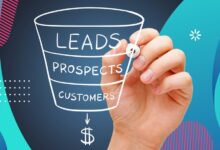
Many people use the terms “lead” and “prospect” interchangeably, but they’re not the same. The leads definition is broader, while a prospect is a more refined stage in the sales funnel.
Defining the Difference
A lead is anyone who has shown initial interest. A prospect, however, is a lead that has been qualified—meaning they have a need, budget, authority, and timeline (commonly known as BANT criteria).
- Lead = Unqualified interest
- Prospect = Qualified lead with buying potential
- All prospects start as leads, but not all leads become prospects
When Does a Lead Become a Prospect?
The transition happens after lead qualification. This can be done through automated scoring (based on behavior) or manual review by a sales rep. For example, a lead who downloads a pricing guide and visits the demo page three times in a week is likely becoming a prospect.
“Qualification turns noise into opportunity.” — Marketing Strategist Ann Handley
Lead Scoring: Prioritizing Your Leads
With hundreds or thousands of leads coming in, how do you know which ones to focus on? That’s where lead scoring comes in—a system that assigns points based on a lead’s behavior and profile.
Demographic and Firmographic Scoring
This involves scoring leads based on who they are—job title, company size, industry, location, etc. For B2B companies, a C-level executive at a Fortune 500 company might score higher than a junior employee at a small startup.
- Job title relevance
- Company revenue and size
- Geographic location
Behavioral Scoring
This tracks what leads do—pages visited, content downloaded, email opens, webinar attendance, etc. The more engaged they are, the higher their score.
- Visited pricing page: +10 points
- Downloaded case study: +15 points
- Clicked on a demo CTA: +25 points
Implementing a Lead Scoring Model
To build an effective model, collaborate between marketing and sales teams. Define what actions and attributes indicate readiness to buy. Then, automate scoring using CRM tools like Salesforce or HubSpot.
- Set scoring thresholds for MQL and SQL
- Regularly review and adjust criteria
- Align scoring with sales feedback
Lead Nurturing: Turning Interest into Sales
Only a small percentage of leads are ready to buy immediately. The rest need nurturing—consistent, value-driven communication that builds trust over time. This is where the true power of the leads definition comes into play.
Email Drip Campaigns
Automated email sequences deliver the right message at the right time. For example, a new lead who downloaded a beginner’s guide might receive a series of emails explaining advanced features, customer success stories, and a final demo offer.
- Personalize subject lines and content
- Use behavioral triggers
- Include clear CTAs in every email
Retargeting Ads
Retargeting keeps your brand top-of-mind by showing ads to leads who’ve visited your site but didn’t convert. Platforms like Google Ads and Facebook allow precise targeting based on user behavior.
- Display ads for products viewed
- Offer special promotions
- Reinforce brand messaging
Personalized Content Experiences
Use dynamic website content or personalized landing pages based on lead data. For instance, a visitor from the healthcare industry sees case studies from hospitals, while a manufacturing lead sees relevant testimonials.
- Segment leads by industry or behavior
- Customize CTAs and offers
- Use AI-driven personalization tools
Measuring Lead Quality and Conversion
Generating leads is one thing; converting them is another. To optimize your strategy, you need to measure key metrics that reflect lead quality and performance.
leads definition – Leads definition menjadi aspek penting yang dibahas di sini.
Lead Conversion Rate
This is the percentage of leads that turn into customers. A high volume of leads with a low conversion rate may indicate poor lead quality or ineffective nurturing.
- Formula: (Number of Customers / Number of Leads) × 100
- Benchmark varies by industry (typically 5–15%)
- Track by source, campaign, and channel
Cost Per Lead (CPL)
CPL measures how much you spend to acquire one lead. It helps evaluate the efficiency of your marketing campaigns.
- Formula: Total Campaign Spend / Number of Leads Generated
- Lower CPL = better efficiency
- Compare across channels to optimize budget
Lead-to-Customer Cycle Time
This metric tracks how long it takes for a lead to move through the funnel and become a paying customer. Shorter cycle times often indicate effective nurturing and sales processes.
- Measure from first touchpoint to closed deal
- Identify bottlenecks in the funnel
- Use CRM data for accurate tracking
Common Mistakes in Lead Management
Even experienced teams make errors when handling leads. Avoiding these pitfalls can dramatically improve your results and ROI.
Ignoring Lead Qualification
Chasing every lead without qualification wastes time and resources. Sales teams end up pursuing people who aren’t ready or able to buy.
- Implement a clear qualification framework
- Use BANT or CHAMP criteria
- Train teams on lead scoring
Poor Follow-Up Timing
Research shows that leads are 7x more likely to convert if contacted within 5 minutes. Delayed follow-ups drastically reduce conversion chances.
- Use automation for instant responses
- Set up alerts for high-intent actions
- Monitor response times across channels
Lack of Alignment Between Marketing and Sales
When marketing and sales don’t agree on the leads definition, friction occurs. Marketing may pass unqualified leads, and sales may ignore them.
- Hold regular alignment meetings
- Co-create lead scoring models
- Share feedback loops and performance data
Future Trends in Lead Generation and Management
The way we define and handle leads is evolving. New technologies and consumer behaviors are reshaping the leads definition for the modern era.
AI and Predictive Lead Scoring
Artificial intelligence is enabling predictive analytics that forecast which leads are most likely to convert, based on historical data and behavioral patterns.
- AI tools like Salesforce Einstein automate scoring
- Reduces guesswork in lead prioritization
- Improves accuracy over time
Privacy-First Lead Generation
With increasing data privacy regulations (like GDPR and CCPA), businesses must adapt how they collect and use lead data. Consent and transparency are now non-negotiable.
- Use clear opt-in forms
- Provide value in exchange for data
- Respect user preferences and rights
Conversational Marketing and Chatbots
Real-time engagement through chatbots and live chat is becoming a primary way to capture and qualify leads instantly.
- Engage visitors during active browsing
- Qualify leads with automated questions
- Route high-intent leads to sales immediately
What is the basic leads definition?
leads definition – Leads definition menjadi aspek penting yang dibahas di sini.
The basic leads definition is a person or organization that has shown interest in your product or service by providing contact information or engaging with your brand in a measurable way. It’s the starting point of the sales funnel.
What’s the difference between a lead and a prospect?
A lead is any potential customer who has shown initial interest. A prospect is a qualified lead—someone who has been assessed and deemed likely to buy based on criteria like need, budget, authority, and timeline.
How do you generate high-quality leads?
High-quality leads are generated through targeted content, lead magnets, social media advertising, SEO, and email marketing. The key is to attract the right audience and nurture them with relevant, value-driven communication.
What is lead scoring and why is it important?
Lead scoring is a system that ranks leads based on their behavior and profile. It helps prioritize the most promising leads, improve sales efficiency, and increase conversion rates by focusing efforts where they matter most.
How has technology changed the leads definition?
Technology has made the leads definition more dynamic. With AI, automation, and real-time data, businesses can now identify, score, and engage leads faster and more accurately than ever before—shifting from static lists to intelligent, behavior-driven interactions.
Understanding the leads definition is far more than a marketing technicality—it’s the foundation of sustainable business growth. From identifying initial interest to nurturing and converting leads into loyal customers, every step hinges on clarity, strategy, and execution. Whether you’re a startup or an enterprise, mastering lead generation, qualification, and management will give you a decisive competitive edge. The future belongs to those who don’t just collect leads, but understand them deeply and act with precision.
leads definition – Leads definition menjadi aspek penting yang dibahas di sini.
Further Reading:
