Lead generation isn’t just about collecting names—it’s about building relationships that turn strangers into loyal customers. In today’s digital world, mastering lead generation can make or break your business growth.

What Is Lead Generation and Why It Matters

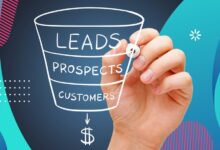
At its core, lead generation is the process of attracting and converting prospects into someone who has indicated interest in your company’s product or service. It’s the first critical step in the sales funnel, laying the foundation for customer acquisition and long-term revenue growth.
Defining a Lead in Modern Marketing
A lead is more than just an email address. It’s a person or organization that has shown interest—through actions like filling out a form, downloading a guide, or subscribing to a newsletter. The quality of a lead often matters more than quantity, especially in B2B environments where sales cycles are longer and more complex.
- A lead can be someone who visits your pricing page.
- It could also be a visitor who spends over 3 minutes on your product demo page.
- Engagement metrics like time on site and page views help qualify leads.
“Lead generation is not about chasing every visitor—it’s about attracting the right ones.” — Neil Patel, Digital Marketing Expert
The Role of Lead Generation in Business Growth
Without a steady stream of qualified leads, even the best products can fail. Lead generation fuels sales pipelines, supports marketing ROI, and enables scalable growth. For startups, it’s survival. For enterprises, it’s sustainability.
According to HubSpot, companies that excel at lead generation grow 2.5x faster than their peers. This isn’t by accident—it’s the result of strategic planning, data-driven tactics, and continuous optimization. HubSpot’s research highlights how effective lead gen directly correlates with revenue performance.
The Evolution of Lead Generation Over the Decades
Lead generation has evolved dramatically—from cold calls and trade shows to AI-powered chatbots and predictive analytics. Understanding this evolution helps marketers appreciate current best practices and anticipate future trends.
Traditional Methods: Before the Digital Era
In the 20th century, lead generation relied heavily on offline strategies. Sales teams attended trade shows, placed print ads, and made cold calls. While effective at the time, these methods were often costly, hard to track, and limited in reach.
- Trade shows allowed face-to-face interactions but required significant investment.
- Print advertisements in industry magazines targeted niche audiences.
- Cold calling was common but had low conversion rates (often below 2%).
Despite their limitations, these methods built trust through personal interaction—a principle still valuable today.
The Digital Revolution and Its Impact
The rise of the internet in the late 1990s transformed lead generation. Websites became virtual storefronts, and email marketing emerged as a scalable way to nurture prospects. Search engines like Google gave businesses the ability to reach intent-driven audiences.
By the early 2000s, tools like CRM systems and marketing automation platforms began streamlining the process. Companies could now track user behavior, score leads, and personalize outreach at scale. MarketingProfs outlines how digital tools democratized access to lead generation for small businesses.
“The internet didn’t just change how we generate leads—it changed who we can reach.” — Ann Handley, Chief Content Officer at MarketingProfs
Top 7 Lead Generation Strategies That Work in 2024
Not all lead generation tactics are created equal. Some deliver short-term spikes; others build sustainable pipelines. Below are seven proven strategies that dominate in 2024, backed by data and real-world success.
1. Content Marketing with High-Value Offers
Content is still king when it comes to lead generation. But not just any content—high-value, problem-solving content that prospects are willing to exchange their contact information for.
Think e-books, whitepapers, templates, or exclusive webinars. These assets act as lead magnets, attracting qualified visitors and converting them into leads. For example, a SaaS company might offer a free “Website Speed Optimization Checklist” in exchange for an email address.
- Create content that solves a specific pain point.
- Use gated content behind a simple form.
- Align offers with different stages of the buyer’s journey.
According to Content Marketing Institute, 72% of marketers say content marketing generates more leads than traditional advertising.
2. Search Engine Optimization (SEO) for Organic Lead Capture
SEO remains one of the most cost-effective lead generation channels. When done right, it brings in high-intent traffic—people actively searching for solutions you provide.
Optimize your website for keywords like “best CRM for small business” or “how to improve email open rates.” Create dedicated landing pages for each offer, ensuring they’re fast, mobile-friendly, and optimized for conversions.
- Target long-tail keywords with buyer intent.
- Use schema markup to enhance visibility in search results.
- Regularly update old content to maintain rankings.
A study by Backlinko found that the top three Google results get 54.4% of all clicks—proving the value of ranking high.
3. Paid Advertising with Precision Targeting
Paid ads—especially on platforms like Google Ads and LinkedIn—deliver fast, measurable results. They’re ideal for launching new products, promoting time-sensitive offers, or entering competitive markets.
Use lead generation forms directly within LinkedIn or Facebook ads to reduce friction. These native forms auto-fill user data, increasing conversion rates by up to 30%, according to LinkedIn Marketing Solutions.
- Use A/B testing to refine ad copy and visuals.
- Retarget website visitors with personalized offers.
- Leverage lookalike audiences to expand reach.
“Paid ads don’t replace organic strategy—they accelerate it.” — Rand Fishkin, Founder of SparkToro
4. Social Media Engagement and Community Building
Social media isn’t just for brand awareness. Platforms like LinkedIn, Twitter (X), and even TikTok are powerful lead generation tools when used strategically.
Engage in industry conversations, share valuable insights, and direct followers to lead capture forms. For example, a financial advisor might host a live Q&A on LinkedIn and offer a free retirement planning guide afterward.
- Use polls and questions to spark engagement.
- Host live sessions with exclusive takeaways.
- Pin high-converting posts to your profile.
Buffer reports that businesses using social media for lead generation see a 2x higher conversion rate than those relying solely on email.
5. Email Marketing with Segmentation and Automation
Email is still one of the highest ROI channels for lead generation. But blasting the same message to everyone is outdated. Modern email marketing uses segmentation and automation to deliver hyper-relevant content.
For instance, a new subscriber who downloads a beginner’s guide should receive a different sequence than one who requests a demo. Use behavioral triggers—like page visits or link clicks—to personalize follow-ups.
- Segment lists by industry, job title, or engagement level.
- Use drip campaigns to nurture cold leads.
- Include clear CTAs in every email.
Mailchimp’s data shows that segmented campaigns generate 30% more opens and 50% higher click-through rates.
6. Webinars and Virtual Events
Webinars remain one of the most effective lead generation tools, especially in B2B. They position your brand as an authority, allow real-time interaction, and collect high-quality leads.
Offer actionable takeaways and require registration with contact details. After the event, follow up with a recording, slides, and a special offer to move leads down the funnel.
- Promote webinars through email, social, and paid ads.
- Partner with influencers or industry experts to boost attendance.
- Use polls and Q&A to increase engagement.
GoToWebinar found that 60% of webinar attendees are willing to share contact information, and 20% become sales-qualified leads.
7. Referral and Partner Programs
People trust recommendations from peers more than ads. Referral programs incentivize existing customers or partners to bring in new leads.
For example, Dropbox grew its user base by 60% in 15 months using a simple referral program offering extra storage space. Similarly, B2B companies can partner with complementary services to co-host events or co-create content.
- Offer tangible rewards for successful referrals.
- Make sharing easy with pre-written messages.
- Track referrals with unique codes or links.
A study by Nielsen shows that 92% of consumers trust referrals from people they know.
Essential Tools for Effective Lead Generation
No strategy works without the right tools. The modern marketer has access to a suite of platforms that automate, track, and optimize every stage of lead generation.
CRM Systems for Lead Management
Customer Relationship Management (CRM) tools like HubSpot, Salesforce, and Zoho CRM are the backbone of lead generation. They store contact data, track interactions, and help sales teams prioritize follow-ups.
With a CRM, you can assign lead scores, set reminders, and visualize the entire sales pipeline. Integration with marketing tools ensures seamless handoff from marketing to sales.
- Automate data entry from web forms.
- Track lead source and campaign performance.
- Use workflows to trigger follow-up emails or tasks.
Marketing Automation Platforms
Automation tools like ActiveCampaign, Marketo, and Pardot allow you to nurture leads without manual effort. Set up email sequences, segment audiences, and trigger actions based on behavior.
For example, if a lead visits your pricing page twice in a week, an automation can send a personalized email with a case study or offer a free consultation.
- Create dynamic content based on user data.
- Use lead scoring to identify sales-ready prospects.
- Integrate with analytics tools for performance tracking.
Landing Page and Form Builders
Landing pages are where lead generation happens. Tools like Unbounce, Leadpages, and Instapage let you create high-converting pages without coding.
Pair them with form builders like Typeform or JotForm to collect data efficiently. Use A/B testing to optimize headlines, CTAs, and form length.
- Keep forms short—only ask for essential info.
- Use strong, action-oriented headlines.
- Add trust signals like testimonials or security badges.
“A well-designed landing page can increase conversions by up to 40%.” — ConversionXL
How to Measure and Optimize Lead Generation Performance
Generating leads is only half the battle. To ensure long-term success, you must measure performance and continuously optimize your efforts.
Key Metrics to Track
Not all metrics are created equal. Focus on those that reflect real business impact:
- Conversion Rate: Percentage of visitors who become leads.
- Cost Per Lead (CPL): How much you spend to acquire one lead.
- Lead-to-Customer Rate: Percentage of leads that turn into paying customers.
- Lead Quality Score: Assessed by sales team feedback or engagement behavior.
- ROI: Revenue generated vs. marketing spend.
Google Analytics and UTM parameters help track these metrics across channels.
A/B Testing for Continuous Improvement
Small changes can have big impacts. A/B testing allows you to compare two versions of a webpage, email, or ad to see which performs better.
Test one element at a time—headline, CTA button color, form length, or image. Run tests until you achieve statistical significance (usually 95% confidence level).
- Test landing page headlines for clarity and emotional appeal.
- Experiment with CTA text: “Get My Free Guide” vs. “Download Now”.
- Try different form layouts: single-column vs. multi-step.
According to VWO, companies that regularly A/B test see up to 30% higher conversion rates over time.
Common Lead Generation Mistakes to Avoid
Even experienced marketers make mistakes that hurt lead quality and conversion rates. Recognizing these pitfalls can save time, money, and frustration.
Targeting the Wrong Audience
One of the biggest mistakes is casting too wide a net. If your content or ads attract unqualified traffic, your conversion rates will suffer.
Solution: Develop detailed buyer personas. Use data from your CRM and analytics to understand who converts best. Refine targeting in ads and content topics accordingly.
“If you’re speaking to everyone, you’re speaking to no one.” — Seth Godin, Marketing Author
Ignoring Lead Nurturing
Only 2% of leads convert on first contact, according to MarketingProfs. Yet many companies fail to nurture the other 98%.
Without follow-up emails, retargeting ads, or educational content, most leads go cold. Implement a structured nurture campaign to stay top-of-mind.
Poor Follow-Up and Sales Alignment
Marketing generates leads, but sales closes them. When these teams aren’t aligned, leads fall through the cracks.
Establish a Service Level Agreement (SLA) between marketing and sales. Define what a qualified lead looks like and how quickly sales should follow up. Use shared dashboards to monitor handoff efficiency.
The Future of Lead Generation: Trends to Watch
Lead generation is not static. Emerging technologies and changing consumer behaviors are reshaping how businesses attract and convert prospects.
AI and Predictive Lead Scoring
Artificial Intelligence is revolutionizing lead generation. AI tools can analyze vast amounts of data to predict which leads are most likely to convert.
Predictive lead scoring goes beyond basic demographics, factoring in behavior, engagement, and even sentiment analysis from emails or chat logs.
- Tools like Salesforce Einstein and HubSpot AI offer built-in predictive scoring.
- AI chatbots qualify leads 24/7 on your website.
- Machine learning improves targeting over time.
Hyper-Personalization at Scale
Generic messaging is dead. Consumers expect personalized experiences. The future of lead generation lies in delivering the right message, to the right person, at the right time.
Using data from CRM, browsing behavior, and past interactions, marketers can create dynamic content that feels one-on-one—even at scale.
- Personalize email subject lines with the recipient’s name or company.
- Recommend content based on previous downloads.
- Use geolocation to tailor offers.
Voice Search and Conversational Marketing
With the rise of smart speakers and voice assistants, optimizing for voice search is becoming crucial. People use natural language queries like “best accounting software for freelancers,” which requires a different SEO approach.
Conversational marketing—using chatbots and messaging apps—allows real-time engagement. Drift reports that companies using conversational marketing see 3x more qualified leads.
What is lead generation?
Lead generation is the process of attracting and converting individuals or businesses who show interest in your product or service into potential customers. It involves capturing contact information and nurturing those prospects through the sales funnel.
What are the best lead generation strategies in 2024?
The most effective lead generation strategies in 2024 include content marketing with gated offers, SEO, paid advertising, social media engagement, email automation, webinars, and referral programs. Combining these with data-driven tools maximizes results.
How do you generate high-quality leads?
To generate high-quality leads, focus on targeting the right audience, offering valuable content, using lead scoring, and nurturing prospects with personalized communication. Align marketing and sales teams to ensure smooth handoff and follow-up.
What tools are essential for lead generation?
Essential tools include CRM systems (like HubSpot or Salesforce), marketing automation platforms (like ActiveCampaign), landing page builders (like Unbounce), and analytics tools (like Google Analytics). These help capture, manage, and convert leads efficiently.
How do you measure lead generation success?
Measure success using metrics like conversion rate, cost per lead, lead-to-customer rate, and ROI. Use A/B testing and analytics to continuously optimize campaigns and improve performance over time.
Lead generation is the engine of business growth. From understanding what a lead truly is to leveraging cutting-edge AI tools, the strategies outlined here provide a roadmap for sustainable success. The key is consistency, measurement, and adaptation. By focusing on value, relevance, and alignment between marketing and sales, businesses can turn lead generation from a challenge into a predictable, scalable process. Start with one strategy, test rigorously, and scale what works. The future of your sales pipeline depends on it.
Further Reading:
