Want more customers? It starts with one word: leads. In today’s competitive market, generating high-quality leads isn’t just important—it’s essential for survival and growth. Whether you’re a startup or an established brand, mastering the art of lead generation can transform your business.
What Are Leads and Why They Matter

At the heart of every successful sales funnel lies a simple yet powerful concept: leads. Understanding what leads are, how they function, and why they’re critical is the first step toward building a sustainable business model.
Defining Leads in Modern Marketing
A lead is any individual or organization that has shown interest in your product or service. This interest could come from filling out a form, subscribing to a newsletter, downloading a whitepaper, or engaging with your content on social media. The key is that they’ve taken an action indicating potential interest.
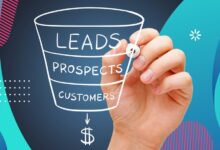
- Leads are not yet customers—they are prospects.
- They enter your system through various touchpoints like websites, ads, or events.
- Each lead represents a potential revenue opportunity.
According to HubSpot, businesses that prioritize lead generation see up to 133% more revenue growth than those that don’t.
The Evolution of Lead Generation
Lead generation has evolved dramatically over the past two decades. From cold calling and print ads to AI-driven targeting and behavioral tracking, the way we capture leads has become smarter, faster, and more personalized.
- In the 1990s, leads were often gathered via phone books and trade shows.
- The rise of the internet introduced email marketing and web forms.
- Today, automation tools like Marketo and Salesforce help qualify and nurture leads at scale.
“The best leads aren’t found—they’re built through trust and value.” — Neil Patel
Why Leads Are the Lifeblood of Business Growth
Without leads, there are no sales. Without sales, there is no business. Leads fuel every stage of the customer journey, from awareness to conversion and beyond. High-quality leads reduce customer acquisition costs and increase lifetime value.
- Leads allow for targeted marketing efforts.
- They enable sales teams to focus on warm prospects.
- They provide data for improving products and services.
Types of Leads: From Cold to Hot
Not all leads are created equal. Classifying leads by their readiness to buy helps businesses allocate resources efficiently and tailor communication strategies. Understanding the spectrum—from cold to hot—is crucial for maximizing conversion rates.
Cold Leads: The Starting Point
Cold leads are individuals who have had little to no interaction with your brand. They may have seen an ad or heard your name but haven’t engaged further. These leads require significant nurturing before they’re ready to buy.
- They often lack awareness of your solution.
- Marketing efforts focus on education and trust-building.
- Tools like retargeting ads and blog content help warm them up.
For example, someone who clicks on a Google ad but doesn’t sign up is considered a cold lead. According to Neil Patel, it takes an average of 8 to 12 touchpoints to convert a cold lead into a sale.
Warm Leads: Showing Interest
Warm leads have interacted with your brand in a meaningful way—perhaps they downloaded a guide, attended a webinar, or followed you on social media. They’re aware of your offering and are considering it as a solution.
- They respond better to personalized emails.
- They’re more likely to engage with case studies or demos.
- CRM systems help track their behavior for timely follow-ups.
These leads are prime candidates for nurturing campaigns. A study by Marketing Charts found that nurtured leads make 47% larger purchases than non-nurtured ones.
Hot Leads: Ready to Buy
Hot leads are actively seeking a solution and are close to making a purchase decision. They might have requested a quote, scheduled a demo, or added a product to their cart. These leads demand immediate attention.
- Sales teams should prioritize hot leads.
- Quick response times increase conversion chances.
- Live chat and instant callbacks are effective tools.
“Speed wins sales. The faster you respond to a hot lead, the higher your close rate.” — InsideSales.com
7 Proven Strategies to Generate High-Quality Leads
Generating leads isn’t about volume—it’s about quality. The most successful companies focus on attracting the right people, not just more people. Here are seven powerful strategies backed by data and real-world results.
Create High-Value Lead Magnets
A lead magnet is a free resource offered in exchange for contact information. The key is to provide real value that solves a specific problem for your audience.
- E-books, templates, and checklists work well across industries.
- Webinars and free trials attract highly engaged leads.
- Use tools like ConvertKit or Mailchimp to deliver and track performance.
For instance, a SaaS company offering a free 14-day trial can capture hundreds of qualified leads monthly. According to HubSpot, companies using lead magnets see a 300% increase in conversion rates.
Leverage SEO to Attract Organic Leads
Search engine optimization (SEO) remains one of the most cost-effective ways to generate consistent, long-term leads. When people search for solutions you offer, being visible on Google puts you at the top of their consideration list.
- Optimize landing pages with targeted keywords like ‘leads’.
- Create blog content that answers common customer questions.
- Build backlinks from authoritative sites to boost credibility.
A well-optimized blog post can continue generating leads for years. A case study by Ahrefs showed a single article generating over 10,000 monthly visits and 500+ leads.
Run Targeted Paid Advertising Campaigns
Paid ads on platforms like Google Ads, Facebook, and LinkedIn allow you to reach specific audiences based on demographics, interests, and behaviors. When done right, paid campaigns deliver fast, measurable results.
- Use A/B testing to refine ad copy and visuals.
- Retarget website visitors who didn’t convert.
- Focus on high-intent keywords like ‘best CRM for leads’.
LinkedIn Ads, for example, generate the highest quality B2B leads, according to LinkedIn Marketing Solutions. Their targeting options allow you to reach decision-makers directly.
Host Webinars and Virtual Events
Webinars combine education with engagement, making them one of the most effective lead generation tools. Attendees self-identify as interested, giving you permission to follow up.
- Promote webinars through email lists and social media.
- Offer certificates or exclusive resources to boost attendance.
- Capture attendee data for post-event nurturing.
According to Content Marketing Institute, 73% of B2B marketers say webinars are the best format for generating high-quality leads.
Build Strategic Partnerships
Partnering with complementary businesses allows you to tap into established audiences. Co-hosted events, joint content, and referral programs can dramatically expand your lead pool.
- Find partners with similar target audiences but non-competing products.
- Create co-branded lead magnets or challenges.
- Share leads through automated CRM integrations.
For example, a digital marketing agency might partner with a web design firm to offer a ‘Free Website Audit + SEO Strategy’ combo, doubling their lead intake.
Optimize Landing Pages for Conversion
Your landing page is where interest turns into action. A poorly designed page can kill even the best traffic source. Focus on clarity, speed, and trust signals to maximize conversions.
- Use clear headlines that highlight benefits (e.g., ‘Get More Leads Today’).
- Minimize form fields to reduce friction.
- Add testimonials, logos, and security badges to build credibility.
A/B testing by Unbounce showed that simplifying a form from 11 fields to 4 increased conversions by 120%.
Use Social Proof and Referral Programs
People trust people. When prospects see others benefiting from your product, they’re more likely to become leads themselves. Referral programs turn happy customers into advocates.
- Display customer reviews and case studies prominently.
- Offer incentives for referrals (e.g., discounts, gift cards).
- Leverage user-generated content on social media.
Dropbox famously grew its user base by 60% in 15 months using a referral program, proving that word-of-mouth still drives powerful leads.
The Role of Technology in Managing Leads
As lead volume grows, manual tracking becomes impossible. Technology plays a critical role in capturing, organizing, and converting leads at scale. From CRMs to AI-powered chatbots, the right tools can give you a massive competitive edge.
Customer Relationship Management (CRM) Systems
A CRM is the central hub for all your leads. It stores contact information, tracks interactions, and helps sales teams manage follow-ups efficiently.
- Salesforce, HubSpot, and Zoho are top CRM choices.
- Automated workflows save time and reduce human error.
- Integration with email and social platforms enhances functionality.
According to Nucleus Research, every dollar invested in CRM returns $8.71 in profit.
Marketing Automation Tools
Automation allows you to send the right message to the right lead at the right time—without manual effort. Email sequences, lead scoring, and behavior tracking are all automated features that boost efficiency.
- Tools like ActiveCampaign and Pardot personalize communication.
- Automated drip campaigns nurture leads over time.
- Lead scoring helps prioritize the most promising prospects.
Marketo reports that companies using marketing automation see a 451% increase in qualified leads.
AI and Chatbots for Instant Engagement
AI-powered chatbots can engage website visitors 24/7, answering questions and capturing leads even when your team is offline.
- Chatbots qualify leads by asking screening questions.
- They can book meetings directly into calendars.
- Machine learning improves responses over time.
Drift, a conversational marketing platform, claims that businesses using chatbots see a 300% increase in lead conversion rates.
How to Qualify and Score Leads Effectively
Not every lead deserves the same level of attention. Qualifying and scoring leads ensures your sales team focuses on those most likely to convert, improving efficiency and ROI.
Understanding BANT: Budget, Authority, Need, Timing
BANT is a classic framework for qualifying leads. It helps sales reps determine if a prospect is truly ready to buy.
- Budget: Do they have the financial resources?
- Authority: Are they the decision-maker?
- Need: Do they have a pain point your product solves?
- Timing: Are they looking to buy soon?
While BANT has been criticized for being too rigid, it remains a solid starting point for structured qualification.
Implementing Lead Scoring Models
Lead scoring assigns numerical values to leads based on their behavior and profile. High scores indicate higher readiness to buy.
- Positive points for actions like visiting pricing pages or downloading brochures.
- Negative points for inactivity or unengaged email opens.
- Thresholds trigger alerts for sales follow-up.
Forrester Research found that companies using lead scoring experience a 77% increase in lead generation ROI.
Using Behavioral Data to Predict Conversion
Modern tools track user behavior across websites, emails, and apps. This data reveals intent and helps predict which leads are most likely to convert.
- Time spent on key pages indicates interest level.
- Repeated visits suggest growing intent.
- Click patterns reveal preferred features or concerns.
Companies like HubSpot Sequences use behavioral triggers to automate follow-ups, increasing response rates by up to 50%.
Nurturing Leads: From Interest to Conversion
Most leads don’t convert on first contact. Nurturing builds relationships over time, guiding prospects through the buyer’s journey until they’re ready to say yes.
The Importance of Email Nurturing Campaigns
Email remains one of the most effective channels for lead nurturing. Automated sequences deliver value, build trust, and keep your brand top-of-mind.
- Welcome series introduce your brand and set expectations.
- Educational content addresses common objections.
- Case studies and testimonials build social proof.
Mailchimp reports that segmented and targeted emails generate 58% of all revenue, despite making up only a fraction of total emails sent.
Personalization: The Key to Engagement
Generic messages get ignored. Personalized content based on lead behavior, industry, or role increases engagement and conversion rates.
- Use merge tags to include names and company details.
- Recommend content based on past downloads or views.
- Adjust tone and messaging for different buyer personas.
According to Experian, personalized emails deliver 6x higher transaction rates.
Multi-Channel Nurturing Strategies
Don’t rely on just one channel. Combine email, social media, retargeting ads, and direct outreach for maximum impact.
- Use LinkedIn to engage B2B leads with thought leadership.
- Retarget website visitors with tailored ads.
- Send SMS reminders for time-sensitive offers.
Omni-channel nurtured leads have a 90% higher customer retention rate, per Smart Insights.
Measuring Lead Generation Success: Key Metrics to Track
What gets measured gets improved. Tracking the right metrics helps you understand what’s working, where to optimize, and how to scale your lead generation efforts.
Conversion Rate: From Visitor to Lead
This metric measures the percentage of website visitors who become leads. A low conversion rate may indicate poor messaging or UX issues.
- Average conversion rates vary by industry (typically 2–5%).
- Optimize CTAs, forms, and page load speed to improve rates.
- Use heatmaps and session recordings to identify drop-off points.
Tools like Google Analytics and Hotjar provide deep insights into user behavior.
Cost Per Lead (CPL)
CPL tells you how much you’re spending to acquire each lead. It’s crucial for evaluating the efficiency of your marketing campaigns.
- Calculate CPL by dividing total campaign spend by number of leads.
- Compare CPL across channels to allocate budget wisely.
- Factor in hidden costs like tool subscriptions and labor.
For example, a Facebook ad campaign spending $1,000 and generating 100 leads has a CPL of $10.
Lead-to-Customer Conversion Rate
This shows how many leads actually become paying customers. A high lead volume means nothing if few convert.
- Industry averages range from 5% to 30%.
- Improve this rate through better qualification and nurturing.
- Align sales and marketing teams to close the gap.
Companies with strong sales-marketing alignment see 36% higher customer retention and 38% higher sales win rates (source: MarketingProfs).
Customer Acquisition Cost (CAC)
CAC includes all costs associated with winning a customer, including marketing, sales, and overhead. It should be significantly lower than customer lifetime value (LTV).
- Formula: Total Sales & Marketing Expenses ÷ Number of New Customers.
- Aim for LTV:CAC ratio of at least 3:1.
- Reduce CAC through organic growth and referrals.
High CAC can erode profits, even with strong lead volume.
Common Mistakes in Lead Generation (And How to Avoid Them)
Even experienced marketers make mistakes that sabotage lead generation. Recognizing these pitfalls early can save time, money, and missed opportunities.
Targeting the Wrong Audience
Attracting leads who aren’t a good fit wastes resources and lowers conversion rates. Create detailed buyer personas to ensure your messaging resonates with the right people.
- Conduct surveys and interviews with existing customers.
- Analyze demographic and behavioral data.
- Refine targeting on ads and content.
Overlooking Lead Nurturing
Many businesses focus on acquisition but neglect nurturing. Remember, only 2% of leads convert on first contact (source: MarketingDonut). A strong nurturing strategy is essential.
- Map out the buyer’s journey for each persona.
- Deliver value at every stage.
- Use automation to scale personalization.
Poor Follow-Up Practices
Slow or inconsistent follow-up kills momentum. Sales teams must respond quickly and consistently to hot leads.
- Set SLAs (Service Level Agreements) for response times.
- Use CRM alerts to prevent missed opportunities.
- Train reps on consultative selling techniques.
“The first to follow up often wins the deal.” — InsideSales
Future Trends in Lead Generation
The landscape of lead generation is constantly evolving. Staying ahead of trends ensures your strategies remain effective and competitive in the years to come.
Rise of AI-Powered Personalization
Artificial intelligence is enabling hyper-personalized experiences at scale. From dynamic website content to predictive lead scoring, AI is transforming how we generate and convert leads.
- AI analyzes vast datasets to predict buyer behavior.
- Chatbots and virtual assistants provide instant support.
- Content is dynamically tailored to individual preferences.
Gartner predicts that by 2025, 80% of marketing interactions will be managed by AI.
Increased Focus on Privacy and Consent
With regulations like GDPR and CCPA, transparency and consent are non-negotiable. Consumers demand control over their data, forcing marketers to adopt ethical lead practices.
- Be clear about data usage in privacy policies.
- Offer value in exchange for consent.
- Build trust through transparency and security.
Trustworthy brands see higher opt-in rates and long-term loyalty.
Growth of Voice Search and Conversational Marketing
As voice assistants like Alexa and Google Assistant become mainstream, optimizing for voice search will be crucial for capturing leads.
- Use natural language in content and FAQs.
- Optimize for local search queries.
- Integrate with messaging apps like WhatsApp for real-time engagement.
ComScore estimates that 50% of all searches will be voice-based by 2025.
What are leads in marketing?
Leads in marketing refer to individuals or organizations that have shown interest in your product or service by providing their contact information or engaging with your brand. They are potential customers who enter your sales funnel and can be nurtured toward a purchase.
How do you generate high-quality leads?
You can generate high-quality leads by creating valuable content, using targeted advertising, optimizing landing pages, hosting webinars, leveraging SEO, and building strategic partnerships. The key is to attract the right audience and provide them with relevant, helpful information.
What is the difference between a lead and a prospect?
A lead is anyone who has shown initial interest, while a prospect is a qualified lead who has been vetted and is actively considering a purchase. All prospects are leads, but not all leads become prospects.
How important is lead nurturing?
Lead nurturing is critical because most leads aren’t ready to buy immediately. Nurturing builds trust, educates prospects, and guides them through the buyer’s journey, significantly increasing the chances of conversion.
What tools can help manage leads effectively?
CRM systems like HubSpot, Salesforce, and Zoho, along with marketing automation platforms like Marketo and ActiveCampaign, help manage leads effectively. AI chatbots, email marketing tools, and analytics platforms also play key roles.
Generating and managing leads is the foundation of sustainable business growth. From understanding the different types of leads to implementing advanced strategies and technologies, every step matters. By focusing on quality over quantity, leveraging data-driven insights, and nurturing relationships consistently, you can turn prospects into loyal customers. The future of lead generation is smart, ethical, and customer-centric—those who adapt will thrive.
Further Reading:
